Why Marine Ports Need AI at Operational Scale
By Youcef Kabli,Portnex
.webp)
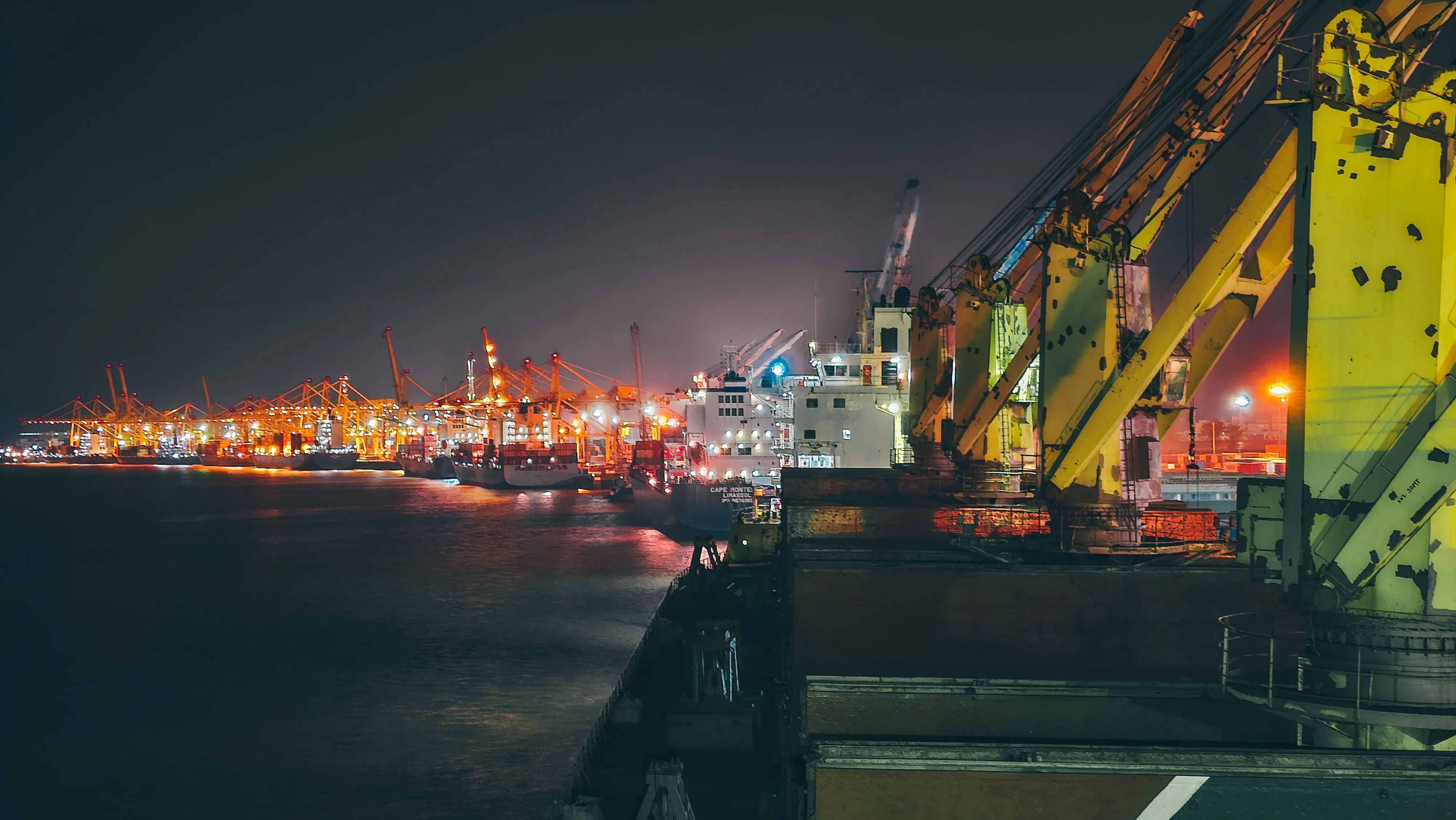
Marine ports are under pressure from every direction. Ships are getting larger, cargo volumes are harder to predict, weather events are more disruptive, and customers expect faster, more reliable delivery. At the same time, ports must reduce emissions, improve safety, and coordinate with shipping lines, customs, truckers, rail operators, terminal teams, and government agencies.
This is exactly where artificial intelligence can help.
AI will not replace port operators, pilots, crane teams, customs officers, or logistics planners. The real value of AI in marine ports is simpler: it helps people make better decisions earlier.
According to UN Trade and Development, over 80% of world trade by volume moves by sea. When ports slow down, the impact spreads across entire supply chains. Delays become higher freight costs, missed factory schedules, congested roads, wasted fuel, and frustrated customers.
AI gives ports a way to move from reacting to problems after they happen to predicting and preventing them before they become expensive.
Why Marine Ports Need AI at Operational Scale
Marine ports only work well when thousands of moving parts stay synchronized. A vessel arrives, pilots and tugs move it, berths open, cranes work containers, trucks queue, rail slots shift, customs clears cargo, equipment breaks, weather changes, and customers still expect reliable delivery windows.
That matters because ports sit at the narrowest point of global trade. UN Trade and Development estimates that around 80% of international goods trade by volume moves by sea. When ports slow down, the impact is not local. It becomes higher freight costs, missed production schedules, spoilage, congestion, emissions, and unreliable supply chains.
Ports now face three concrete requirements:
- Predict earlier when vessel, yard, gate, labor, weather, or equipment constraints will collide
- Coordinate decisions across public agencies, terminal operators, carriers, truckers, rail, customs, and cargo owners
- Reduce idle time, rework, paperwork, and emissions without compromising safety or security
AI is not needed because ports lack software. Most major ports already run terminal operating systems, port community systems, vessel traffic services, customs platforms, gate systems, and asset-maintenance tools. AI is needed because the operational problem has become too dynamic for siloed systems and manual coordination alone.
The Future of AI in Marine Ports
AI in marine ports is not about replacing people. It is about helping port communities coordinate faster, plan earlier, and recover better when conditions change.
The ports that benefit most from AI will be the ones that combine digital infrastructure, clean data, strong governance, cybersecurity, and practical operational use cases.
The World Bank Port Reform Toolkit highlights digitalization and cybersecurity as core parts of modern port reform. AI should be treated the same way: not as a side project, but as part of how ports become more resilient, efficient, and sustainable.
Marine trade is too important to run on delayed information and disconnected decisions. AI gives ports a way to see problems earlier and act with more confidence.
That is why AI is becoming essential for the next generation of smart ports.
Sources used: UNCTAD Review of Maritime Transport 2024, IMO Maritime Single Window, World Bank Port Reform Toolkit.