The Strait of Hormuz: Where Global Trade and Geopolitics Collide
By Youcef Kabli,Portnex
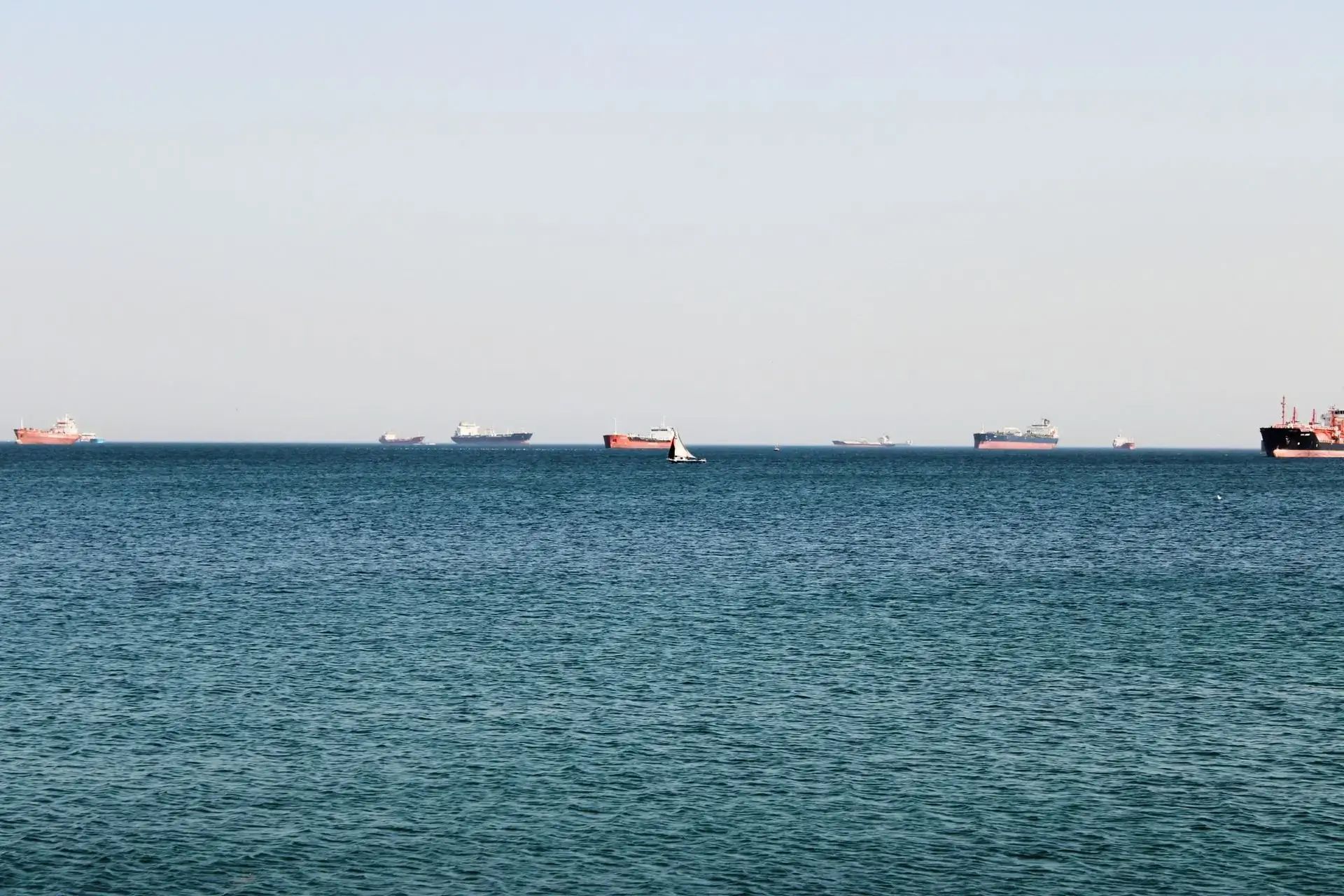
The Strait of Hormuz is one of the world’s most important crossroads for trade, energy, and geopolitics. This narrow waterway, only 21 miles wide at its tightest point, lies between Iran to the north and the United Arab Emirates and Oman’s Musandam exclave to the south. It may look small on a map, but its impact on the global economy and security is huge. Recent events have highlighted just how vital it is.
The Chokepoint That Moves the World
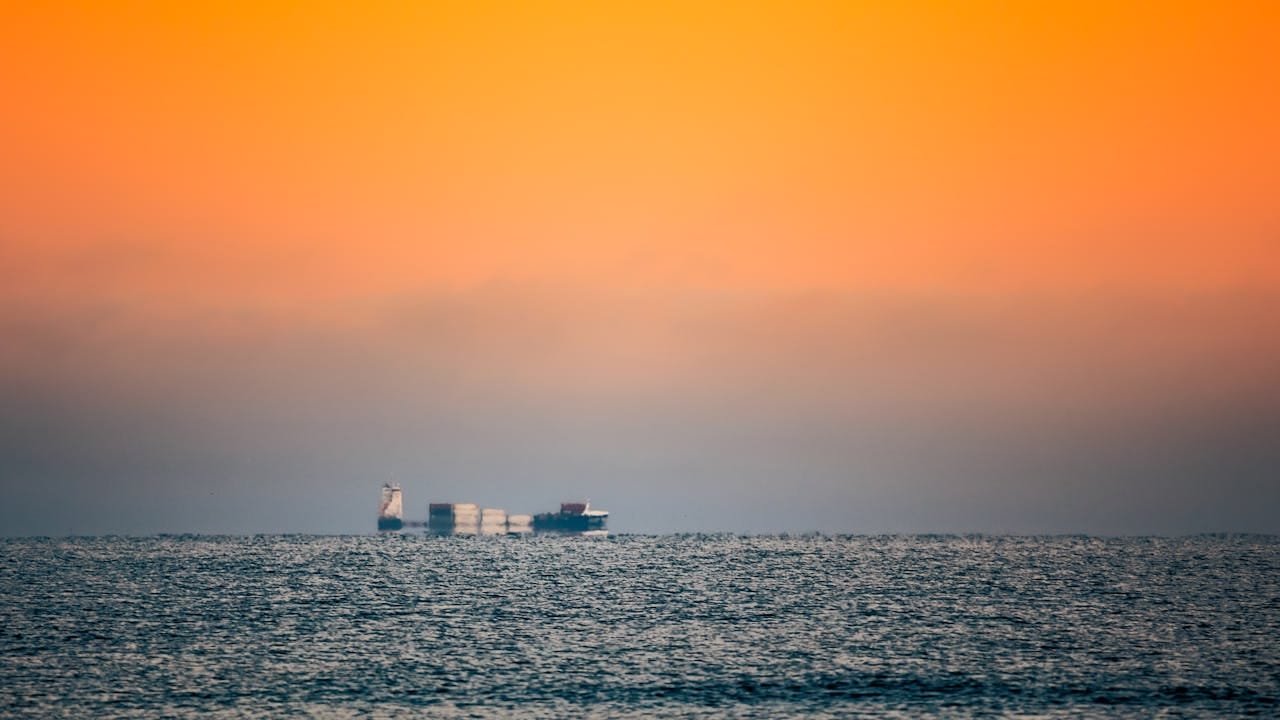
Each day, about one-fifth of the world’s petroleum trade moves through the Strait of Hormuz. In 2023, around 21 million barrels of oil per day, or about 21% of global consumption, passed through this narrow channel. Major oil producers such as Saudi Arabia, Iraq, Kuwait, the UAE, and Iran rely on this route to reach markets in Asia and Europe. Because so much depends on this passage, any disruption—whether by accident or on purpose—can shake energy markets and affect the global economy. Even small incidents here can cause price spikes, force ships to change course, and create uncertainty around the world.
2026: Disruption Hits Home
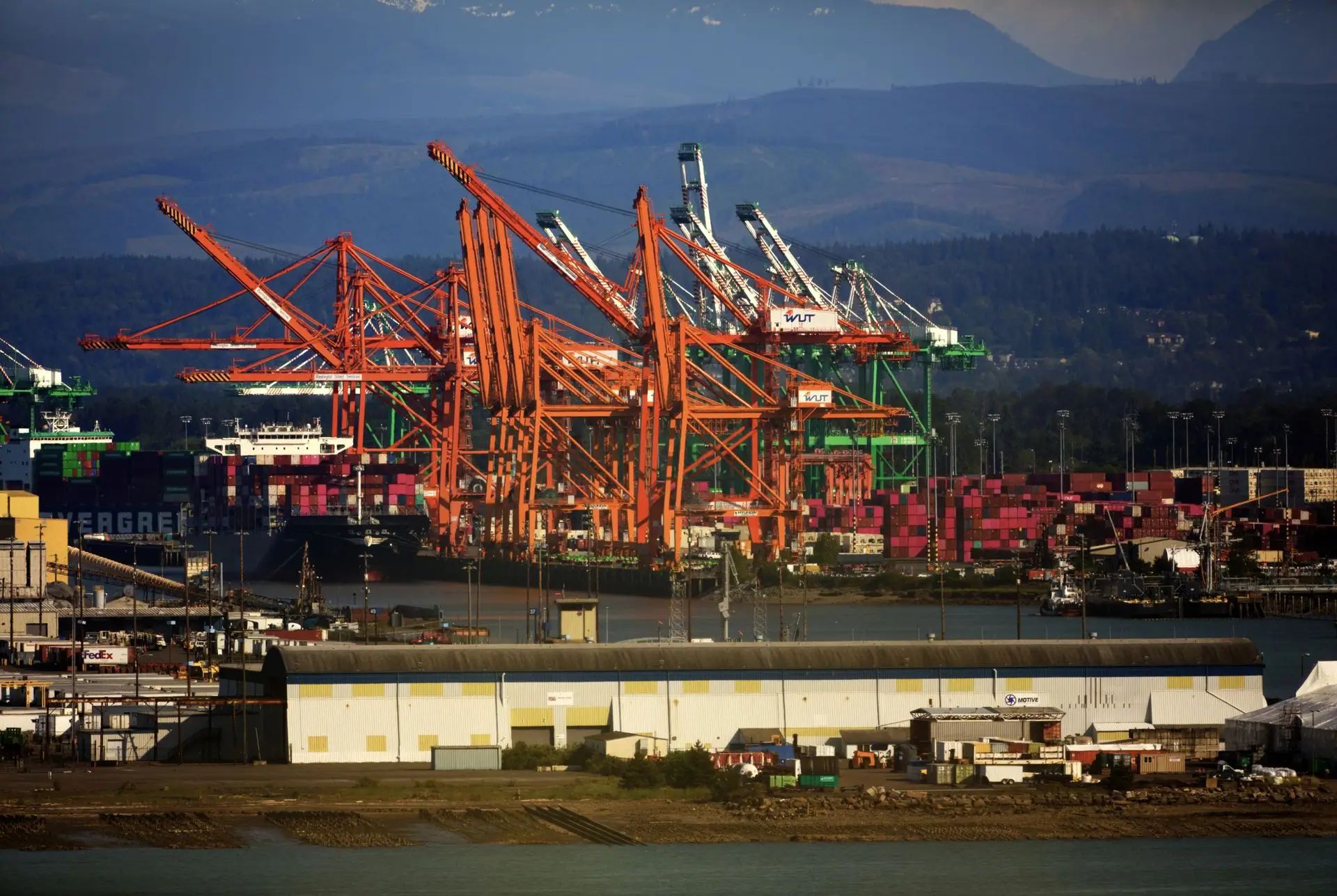
The first half of 2026 showed just how important the strait is. DP World, a major port operator based in the UAE, saw container volumes at its main Jebel Ali terminals drop by 90% in the second quarter compared to the previous year. The port handled only 374,000 TEU, down from 3.8 million the year before. The first quarter had already seen a decline of more than 30%. Worldwide, DP World’s container traffic fell by 22%. However, if you leave out Jebel Ali, the company’s global throughput actually increased by 3.6%.
It is notable that Jebel Ali remained fully operational and was not damaged by the conflict. The real issue was that instability in the Strait of Hormuz sharply reduced ship traffic to and from the Gulf. Many companies chose to reroute or cancel sailings, putting safety ahead of speed and cost. As a result, the group’s profit dropped 39% to $585 million, even though revenue went up. This shows that even the fear of risk near the Strait can bring international trade to a halt.
A Permanent Flashpoint
It is not surprising that the Strait of Hormuz is often a center of global tension. Iran controls the northern shore, which gives it significant influence, and it has threatened to close the strait in response to sanctions or military pressure several times. Each time this happens, energy markets react: prices rise, shipping routes are reconsidered, and the world is reminded of how delicate the situation is.
To keep the strait open, the United States and its allies maintain a strong naval presence to prevent hostile actions and protect important shipping lanes. Still, tanker seizures and naval standoffs happen often, showing how quickly tensions can turn into international crises. The Strait of Hormuz reflects the larger power struggles happening around the world.
More Than Oil: Security and the Environment
Besides the political tensions and oil shipments, the strait faces other problems. Its crowded waters are at risk from piracy, terrorism, and accidents. An oil spill or maritime disaster could seriously harm the local marine environment, which is already stressed by heavy traffic, and have long-term effects on both local communities and global biodiversity.
What the Future Holds
As the world gradually moves toward renewable energy and new shipping routes, the Strait of Hormuz may become less important in the future. For now, it is still a key route for global energy and a major area for strategic competition. What happens here will continue to shape, and be shaped by, changes in energy, security, and diplomacy.
The Strait of Hormuz is more than just a route for ships and oil. It is a key point where the world’s hopes for peace, prosperity, and stability come together. For anyone who wants to understand how our connected world works, paying attention to this narrow waterway is not only wise but essential.